
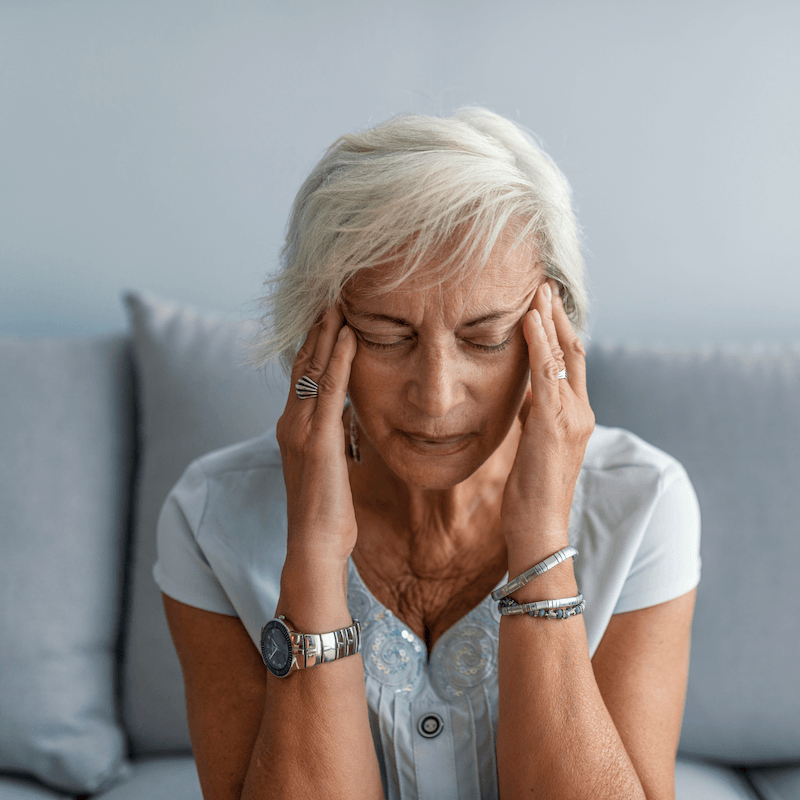
Migraines don’t always present as severe headaches; in fact, a vestibular migraine mainly affects balance, motion perception, and spatial orientation. Our ENT practice evaluates recurrent dizziness to diagnose whether a vestibular migraine or an alternative balance disorder is the primary cause. Identifying key clinical indicators and reviewing them with your doctor is essential for establishing an accurate, effective migraine treatment plan.
Vestibular vs. Classical Migraine: Key Differences
Typical migraine attacks and vestibular migraines share the same neurovascular pathology, but their primary presenting symptoms differ. The hallmark of a typical migraine is moderate to severe unilateral throbbing head pain that intensifies during ordinary physical activities. Concurrent symptoms routinely include autonomic nausea, photophobia, phonophobia, and transient focal neurological aura.
The primary presentation of vestibular migraine encompasses episodic vertigo, subjective dizziness, gait imbalance, and motion sensitivity. Head pain can emerge during an attack, but it does not have to be present during every vestibular occurrence. Flare-ups can feature an illusory sensation of internal or environmental spinning, head-movement-induced dizziness, and visual vertigo in crowded spaces.
Standard clinical diagnostic guidelines define vestibular episodes as lasting anywhere from five minutes up to 72 hours. Symptoms often vary in nature and intensity between separate attacks, obscuring the relationship to migraine compared to straightforward headaches.
Understanding the Biological Mechanisms of Vestibular Migraine
There is no single medical pathology identified as the isolated cause of vestibular migraine. This balance condition appears to reflect shared neurological circuits that modulate migraine signals and vestibular equilibrium data. Having a personal or family background of migraine disease, along with chronic motion sensitivity, increases patient risk.
Clinical episodes are frequently provoked by:
- Disrupted sleep architecture or chronic sleep deprivation
- Missed meals, fluctuating blood glucose, or systemic dehydration
- Mental or physical stress, as well as rapid decompression after stressful events
- Catamenial hormonal fluctuations, menstruation, or perimenopause
- Exposure to bright lights, strobe effects, or visually intricate environments
- Intense motion, travel, or scrolling
- Alcohol or individually identified food triggers
- Barometric pressure shifts, rapid weather transitions, or multisensory overload
Clinical Symptoms of Vestibular Migraine Compared to Regular Migraines
Typical migraine attacks are often recognized by headache, but migraine symptoms extend beyond pain. Manifestations frequently involve nausea, emesis, classic visual scotomas, lethargy, cognitive fog, cervical tension, and intolerance to lights, sounds, or odors.
Symptoms associated with vestibular migraine often encompass:
- Spinning or non-spinning vertigo
- Unsteadiness or loss of balance
- Dizziness triggered or aggravated by rapid head turns or tilting
- Acute nausea triggered by passive or active bodily motion
- Sensitivity to moving screens, crowds, traffic, or patterned surfaces
- A sensation of rocking, tilting, floating, or being pulled
- Light, sound, or visual sensitivity
- Sensation of intense cranial pressure, sinus heaviness, or classic throbbing migraine pain
- Reversible aural pressure, sensations of blocked ears, or transient tinnitus
The pattern, duration, and triggers help distinguish vestibular migraine from other causes. Sudden dizziness that coincides with motor weakness, limb numbness, difficulty articulating speech, double vision, syncope, or inability to stand requires immediate emergency assessment.
Concurrent Presentations: Can Vestibular and Regular Migraines Co-Occur?
Yes. Vestibular vertigo and migraine head pain can occur simultaneously within a single clinical flare-up. Balance issues can emerge prior to head pain, develop concurrently while the headache thrives, persist post-headache, or manifest in solitary attacks. Over time, patients may see their symptoms fluctuate between traditional headache attacks and balance-dominant episodes.
An acute vestibular event can be fully driven by migraine mechanisms even in the complete absence of head pain. Maintaining a dedicated symptom journal helps track chronological correlations that are easily overlooked during clinical consultations. Record the timing and duration of dizziness, headache features, sensory sensitivity, menstrual cycle, sleep, meals, possible triggers, medications, and response to treatment. Having this documented history enables your clinician to formulate a significantly more accurate diagnosis.
How Physicians Evaluate and Confirm Vestibular Migraine
Diagnosing vestibular migraine cannot be accomplished via a single diagnostic blood test, radiologic scan, or balance assessment. Diagnostic evaluation initiates with a structured examination of symptom chronology and a confirmed history of migraine with or without aura. Current criteria generally include at least five moderate or severe vestibular episodes lasting five minutes to 72 hours, with migraine features during at least half of them.
Our clinical evaluation includes targeted neurological exams, oculomotor testing, middle-ear inspections, diagnostic audiometry, and specialized balance studies. Diagnostic recommendations may involve a comprehensive audiogram, positional balance testing, advanced vestibular assessments, or magnetic resonance imaging. Specialized diagnostics enable us to rule out other inner ear pathologies capable of producing similar balance symptoms. This clinical diagnosis is finalized only when your symptom history matches validated criteria and no other vestibular disorder better accounts for the findings.
Evidence-Based Treatments for Vestibular Migraine
Care plans are individualized to match your specific attack frequency, symptom severity, comorbid headaches, general medical background, and medication tolerances. A large majority of patients achieve optimal disease control by pairing daily preventive therapies with targeted acute abortive strategies.
We develop an individualized treatment regimen which may feature:
- Establishing stable sleep hygiene, consistent meal schedules, optimal hydration, and routine physical conditioning
- Systematically tracking, identifying, and reducing exposure to personal migraine triggers
- Integrating mindfulness, cognitive behavioral therapy, or structured stress-reduction techniques
- Utilizing pharmaceutical antiemetic therapies to control severe nausea and associated symptoms
- Controlled, short-term administration of vestibular suppressants during acute, disabling attacks
- Daily preventive medications such as beta-blockers, calcium channel blockers, topiramate, specific antidepressants, or novel migraine drugs
- Specialized vestibular rehabilitation therapy (VRT) to resolve chronic motion hypersensitivity and balance deficits
Vestibular suppressants are generally used sparingly because frequent use may cause sedation and interfere with the brain’s adaptation to balance signals. You should always finalize medication decisions with your prescribing clinician instead of adopting treatment plans prescribed to others. Improvement may require gradual dose adjustments and tracking symptoms over time.
Request a Clinical Evaluation for Vestibular Migraine
If ongoing vertigo attacks, motion hypersensitivity, or gait instability compromise your daily functioning, schedule an assessment with our clinic today. During your consultation, we examine your migraine background, overall health profile, and personal goals, utilizing targeted diagnostics to differentiate vestibular migraine from BPPV, Ménière’s disease, or alternate balance disorders. Call or message our office today to schedule your comprehensive vestibular migraine consultation.