Prolonged exposure to sound can take a serious toll on your hearing health, chiefly in environments where sound levels go above safe thresholds. You must protect your ears; this is crucial for more than preventing hearing loss—it also helps you maintain focus amidst noisy conditions. Therefore, what steps should you implement to identify the ideal hearing protection level aligned to your situation?
Interpreting noise intensity and its consequences
When assessing the impact of noise, the duration of exposure is as significant as the sound’s volume. dB’s are the fundamental measurement metric for noise, indicating the volume of sound. Hearing damage can begin when sound intensity reaches 85 dB or more, particularly after long-term exposure.
For reference, 85 dB is equivalent to the noise level of city traffic heard from inside a car. Though this loudness might not seem excessive, spending eight hours in it continuously can cause hearing impairment. The safe duration of exposure becomes shorter when the sound is more intense:
- Damage can result with up to 4 hours of exposure at 90 dB (Lawnmower).
- Restrict your exposure to 100 dB (Power tools) to less than 1 hour.
- Only 15 minutes of exposure to 110 dB (like a Leaf blower) is enough to cause harm.
- Even momentary exposure to 120 dB (e.g., a Rock concert) is enough to cause hearing damage.
- Immediate pain and damage are possible at 140 dB (Jet engine).
Identifying hazardous noise levels
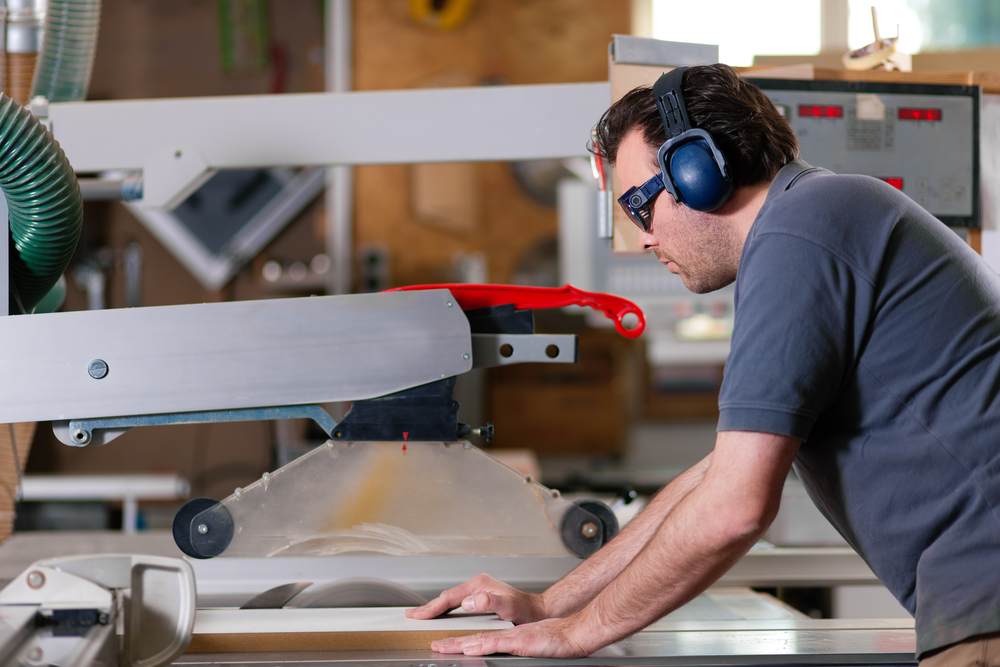
If you are often around noise at 85 dB or higher, hearing protection becomes an absolute requirement. The need for protection is stronger in work settings, including factories and construction, or in any place where machinery, equipment, or tools create significant noise.
Beyond the work setting, situations like recreational shooting sports, using leaf blowers, or going to concerts are cases where you may gain an advantage from using hearing protection due to the unsafe noise exposure.
Using the NRR to choose the best hearing protection
The efficacy of hearing protection is measured by its Noise Reduction Rating (NRR). Given in dB, this figure shows the amount of sound reduction the protective device is capable of blocking. More significant protection is signified by a larger NRR number. To give a concrete example, a 30 dB NRR on earplugs would decrease an 85 dB noise down to 55 dB, which is a sound level far below the unsafe limit.
When making your decision, evaluate the actual noise volume you are facing and verify that the protection reduces the sound below the 85 dB limit.
Why comfort is necessary for wearing hearing protection consistently
Comfort is a factor of equal importance to the NRR, as it strongly influences whether you will wear the protection consistently for the long term. If the hearing protection is bulky or ill-fitting, you are more likely to remove it, which results in your hearing vulnerable against hazardous noise.
The more comfortable the protector, the higher the chance you are to use it continuously, which effectively reduces the risk of intermittent exposure. For example, if earmuffs are too heavy or cause discomfort, you may be inclined to remove them occasionally, subjecting your ears to hazardous noise levels.
Exploring the different options of ear protection
Different varieties of hearing protection exist, and each one offers unique advantages and drawbacks:
- Offering superior noise reduction, Foam Earplugs are placed inside the ear canal. While they are lightweight and disposable, some wearers may experience discomfort.
- Being reusable and resting just outside the ear canal, Pre-Molded Earplugs are a more sustainable choice and are also easier to insert and remove than foam earplugs.
- Earmuffs enclose the ear completely; they are best for varying noise environments because of their ease of removal and donning. A common disadvantage is that they can feel warm or heavy with continuous wear.
Choosing the right type is based on your comfort and the needs of your setting. An illustration is construction workers favoring earmuffs for their easy convenience, while factory workers may choose earplugs for a continuous period of wear.
Committing to consistent hearing protection wear
The protection that is worn consistently is, by definition, the most effective kind. Even a brief period without protection can lead to permanent consequences on your auditory health. It is absolutely important to identify a solution that strikes a balance between comfort, protection, and convenience for this reason.
Taking steps for lasting hearing protection
Noise is an ever-present presence in our lives, but with the right hearing protection, you can protect your ears while still managing to enjoy the sounds around you.
Connect with us today to assess your potential of noise-induced hearing loss and learn how to optimally preserve your hearing health.