
Sound dampening can be disorienting, often making you feel separated from the world around you. It is typical to presume that muted sound signifies long-term hearing impairment, but the issue is often just a resolvable cerumen obstruction.
Grasping the distinction between cerumen blockage vs. auditory loss can help you determine when a quick fix is possible and when it’s time to request a hearing assessment. If you’re experiencing muffled hearing, don’t panic. A clinical assessment will deliver the definitive answer, but the following guide outlines the main differences between blockage-based issues and lasting loss.
What Earwax Buildup Feels Like
Earwax is actually a beneficial, natural substance designed to protect the ear canal from dust and external debris. Problems arise when excessive wax builds up or becomes impacted.
Symptoms of a blockage often feature:
- Progressive or abrupt dampened hearing
- A sensation of pressure or clogging in the ear
- Canal irritation or mild pain
- Ringing in the ear (ringing)
- Hearing that clears briefly after yawning or chewing
Because obstructions are physical, they commonly impact just one ear at a point rather than both uniformly. Fortunately, clearing the blockage typically resolves the symptoms instantly.
What Hearing Loss Feels Like
Unlike a temporary obstruction, nerve-based hearing impairment usually progresses steadily over years and is not fixed by cleaning the canal.
Markers of permanent auditory decline often involve:
- Struggling to follow discourse when ambient sound is audible
- Frequently requesting people to restate themselves
- Increasing the television or phone audio higher than others prefer
- Reduced responsiveness to high-frequency sound input
- A balanced decrease in auditory ability in both sides
Unlike earwax buildup, auditory impairment doesn’t typically cause a feeling of blockage or fullness.
At-a-Glance: Earwax vs. Hearing Loss
A few fundamental signs can help you determine whether you are dealing with a manageable blockage or a more lasting change:
- Development: Cerumen dampening can be quick, but permanent loss requires years
- Duration: Wax issues are fixable and temporary, whereas loss is typically chronic
- Clues: Fullness points to a blockage; struggling with speech precision points to impairment
- Symmetry: Blockages are frequently unbalanced, but lasting loss is commonly bilateral
The Risks of DIY Cerumen Removal
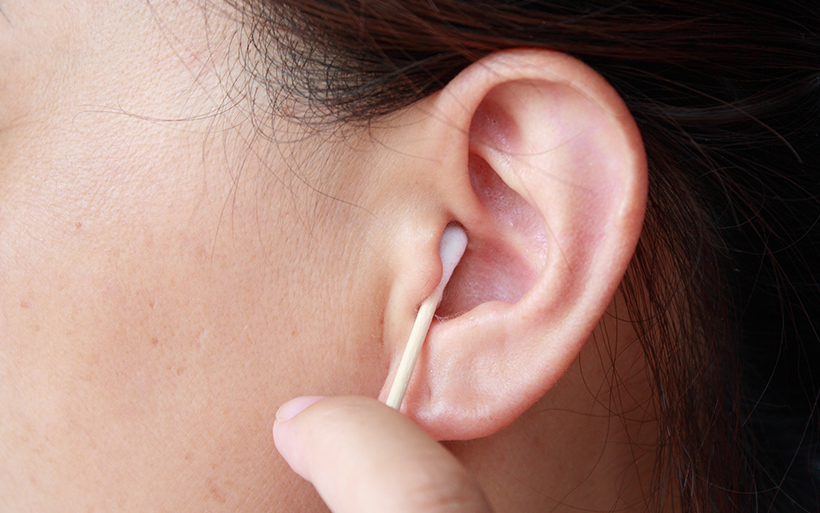
You may feel compelled to assume cerumen is the culprit — and reach for cotton swabs or over-the-counter treatments. Using foreign items typically pushes the plug further into the canal, heightening the danger of injury.
According to the NLM, inserting items into the auditory canal raises the risk of blockage and injury.
Delaying a clinical evaluation for real impairment can result in missing out on solutions that shield your future mental and communal health.
What to Anticipate During a Professional Appointment
A simple otoscopic check can instantly verify if cerumen is obstructing the ear.
When cerumen is the issue, clinical irrigation or clinical clearance delivers immediate relief.
If no wax is detected, a diagnostic hearing test will be used to map the nature and degree of any hidden impairment.
Health authorities advise obtaining a professional evaluation as promptly as you observe hearing fluctuations that impact your lifestyle.
Closing Points on Earwax and Hearing Wellness
Muffled hearing doesn’t necessarily indicate permanent trauma.
In numerous instances, earwax buildup is the cause, and it’s extremely manageable.
Your audiology specialists can assist you to get to the root of dull auditory symptoms so you can move forward with confidence and peace of mind.
Keep in mind that self-diagnosis is no substitute for a professional exam when it comes to your hearing.
Finding the cause early protects your health and gives you the peace of mind you deserve.
Instead of wondering what is amiss, book a rapid check-up with our specialists to uncover the truth.