
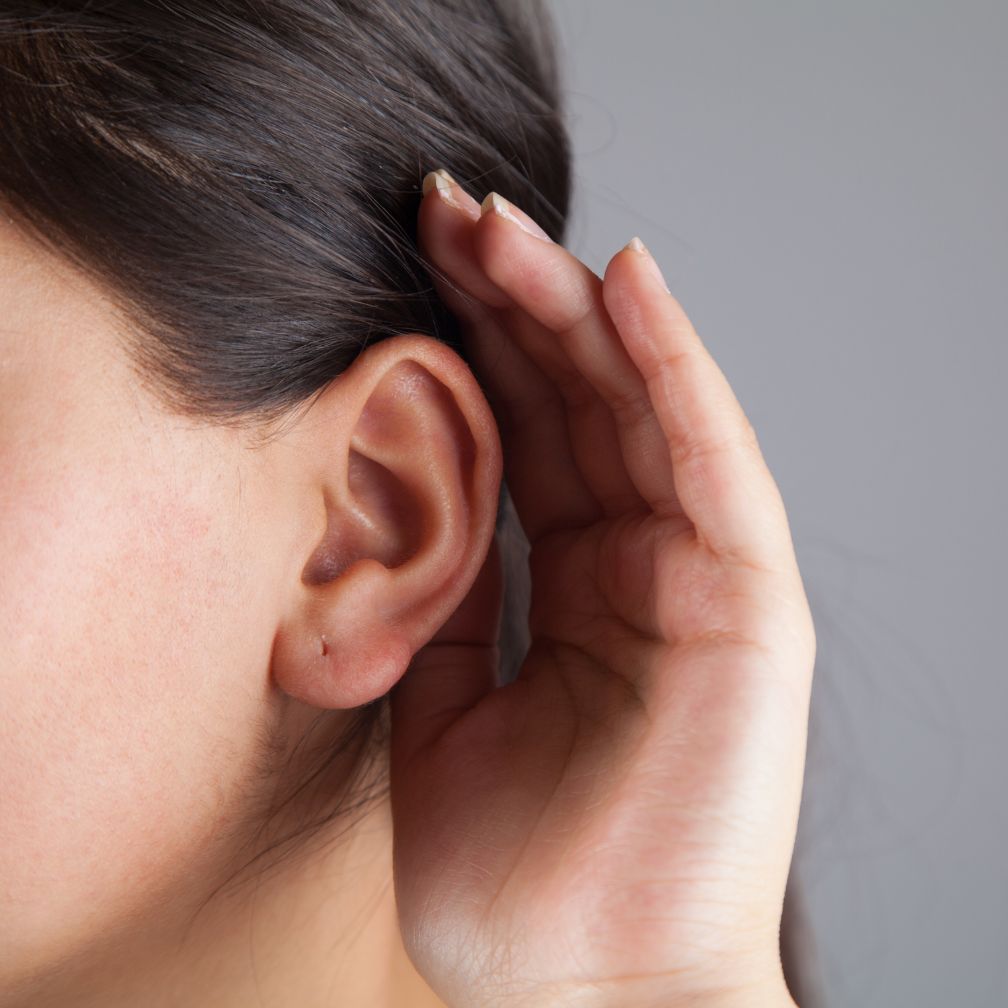
What causes that peculiar, unprompted sound that feels like ambient static or trapped air whispering in your ears? What explains the fact that you are the sole individual capable of detecting this frequency? This localized head noise is a genuine physiological event, not a trick of the mind.
Fortunately, your symptoms do not point to “phantom ring syndrome,” a psychological habit among heavy smartphone users who mistakenly believe their device is vibrating or ringing in silence.
In most clinical scenarios, this localized baseline static is a direct manifestation of tinnitus. Your perception of this sound is completely valid, though you must remain aware that several everyday variables can cause tinnitus to flare up.
Even with this internal hum, your ears retain the capacity to process active human speech. Rather, it simply feels as though an unwanted layer of acoustic static has been artificially superimposed over your entire auditory field.
We will examine why this persistent hum occurs, break down its clinical characteristics, and review what steps you can take to successfully alleviate the symptom.
The Root of Tinnitus: Why Your Brain Tracks This Persistent Hum
From an audiological standpoint, tinnitus is almost always a direct proxy for localized hearing loss. The condition presents as a continuous or episodic phantom frequency that overlays all external environmental sound. Depending on individual pathology, this subjective sound can remain mild enough to ignore during active hours. Alternatively, you might find yourself battling an intense presentation where the constant roar leaves you feeling completely helpless and desperate for relief.
Most patients frequently fail to find words that accurately convey their struggle, because this subjective sensory deficit defies the imagination of anyone who has never lived it.
How can this humming noise in my head not be there? You may even question your own psychological stability, wondering if the condition is a form of auditory hallucination. It is deeply frustrating that an internal frequency can actively block your ability to understand clear speech from colleagues. Or leave you tossing and turning for hours, totally unable to secure standard nighttime rest?
Why Silence Paradoxically Amplifies Your Tinnitus Symptoms
You have likely observed that as your immediate surroundings become increasingly silent, your perception of the tinnitus scales up dramatically. The mechanics are simple: your internal static loses its acoustic camouflage when background sound drops, a reality highlighted by the silent environments people cultivate for sleeping. They choose to run no active entertainment devices, omit music, and enforce a strict policy of zero structural sound. Add to that the fact that you’re probably alone with your thoughts during this time, and when you start to notice the buzzing or humming in your ears, it turns into the only thing you can think about, making the symptoms seem even worse. Regardless of whether your specific symptoms involve low-frequency hums or high-pitched squeals, a perfectly silent evening environment provides the ideal clinical conditions for tinnitus to dominate your focus.
Differentiating Your Symptoms: Is a Rushing Wind Sound Actually Tinnitus?
Describing this invisible impairment to a healthy individual is difficult enough, but navigating a conversation with a fellow tinnitus sufferer can introduce further confusion. They may be experiencing very different symptoms than your own, which might lead you to think that what you have isn’t tinnitus at all.
In reality, the overwhelming clinical likelihood is that you are dealing with standard tinnitus variations. This is due to the reality that tinnitus is a highly polymorphic condition, expressing itself through a vast array of acoustic shapes depending on the individual. These include, but aren’t limited to, hearing:
- The fuzzy roar of unchanneled television feedback
- A resonant, steady internal humming tone
- A sharp, highly irritating electrical buzzing
- Ringing
- A blunt, repetitive thumping sequence inside the canal
- A steady, monotonous frequency resembling an active dial tone
In almost all instances, you are completely isolated in your perception of the tinnitus-induced white noise. Because of this, a traditional doctor cannot physically audit or hear the frequency to validate your complaint. Instead, your regular physician must depend completely on your personal testimony to chart the condition.
Regrettably, this inability to physically verify the sound often causes individuals to feel isolated by a primary care provider who doesn’t specialize in permanent hearing loss.
Sharing his experience, a steelworker named Thomas noted: ‘When the internal ear static first became chronic, I sought help from my primary care provider. While the doctor did state that it might be tinnitus, he didn’t really seem to understand how debilitating the noise was. He spoke about it like it wasn’t really there. He assumed I could easily tune out the static and offered absolutely no management strategies or medical next steps.’
Speaking with a specialist can help solve this problem and can help identify solutions. Sometimes the sound itself can offer clues as to how to treat it.
When the Internal Static Matches Your Pulse: Understanding Pulsatile Symptoms
The diagnostic tracking process is made difficult by the reality that your internal head noises can take on completely unexpected mechanical characteristics. To specify, if you track a distinct whooshing, rushing, or heavy thumping rhythm that locks perfectly in sync with your cardiovascular heartbeat, you are likely presenting with a specialized variant known as pulsatile tinnitus.
The reassuring reality is that this specific rhythmic variant is highly responsive to medical intervention, as it is generally driven by treatable vascular conditions like high blood pressure or arterial blockages.
That roaring sound is frequently generated by localized circulatory friction inside narrowed vascular structures near the ear, creating an audible murmur known as a bruit. It’s critically important to get this checked out and treated, as in rare cases, the whooshing sound could be a sign that you’re heading for a seizure or stroke, either of which could prove fatal.
Objective Tinnitus: When Your Doctor Can Audibly Detect the Sound
To be completely clear, this internal static is an authentic and incredibly frustrating neurological impairment. Although regular ringing escapes external tracking, unique objective cases allow an ear specialist to leverage diagnostic listening tubes to physically capture the precise internal sound passing through your tissue. Keep in mind, however, that this physical verification is strictly limited to the pulsatile subtype, which represents a small fraction of overall global tinnitus diagnoses.
Tracing the Roots of Your Head Static: Common Medical Causes
The leading catalyst for permanent sensorineural ringing is a timeline of consistent exposure to acoustic trauma or loud environments. It’s very common among musicians and other people who spend a lot of time around loud music, as well as several other professions where workers are exposed to loud noises day in and day out for long periods.
A variety of common career tracks expose the human ear to hazardous noise levels that routinely trigger chronic static, such as:
- Factory Work – You’re around noisy machines all day long, so that’s got to do something with your senses, right? On top of the noise, factory work can be stressful, which is another factor that leads to tinnitus and, over time, can make it much worse. Do you work near a pneumatic riveter? They are some of the worst, clocking in at over 125 decibels, which is loud enough to cause immediate, permanent hearing loss, as well as severe cases of tinnitus.}
- Modern Farming – Don’t blame it on the roosters. While those loud, early-risers clock in at around 90 decibels, there are many things on the farm that are much louder. Tractors, combines, cherry-pickers, milking machines… all of these farming implements make a lot of noise. Need to repair the fence? Even your table saw can pump out over 85 decibels, which is damaging over long periods of time.}
- Pilots and Flight Crew – At a distance of 100 feet, a standard jet engine blasts a punishing 140 decibels directly into the environment. While aviation safety rules require pilots to wear defensive ear protection, operators of light aircraft are positioned inches away from the propulsion source. Traditional headsets cannot completely block out this massive volume of sound pressure, ensuring that a career spent in the cockpit often results in a slow, progressive decline in hearing acuity and secondary tinnitus.}
- Highway Patrol Operators – While millions ride motorcycles for recreation, any professional assignment that requires operating a high-displacement bike for an entire shift places you at extreme risk for occupational hearing loss and secondary tinnitus. The identical acoustic risk applies to the prolonged operation of snowmobiles or commercial jet skis—though very few workers ride these vehicles for a living unless they occupy a highly unique and exciting role in outdoor law enforcement.}
- Bartender – A person at the end of the bar calls out for a gin and tonic, and you need to be able to hear their order. But the music in these places is often so loud that you can’t hear someone right next to you, so your ears are constantly straining and working overtime to pick out what people are saying over the din. And if a live band is playing? Your ears might get damaged in the same way a musician’s hearing will.}
Across every single one of these vocational examples, the microscopic stereocilia (hair cells) inside your cochlea were physically damaged by prolonged high-decibel exposure. These hairs pick up sound and help the brain to understand what you’re hearing. Tragically, unlike your skin or bone tissue, these specialized sensory receptors lack the biological capacity to regenerate or repair themselves, leaving you with permanent deficits and a distorted auditory perspective.
What makes this strange noise in my head worse?
In addition to primary acoustic trauma, a variety of systemic health issues and lifestyle habits can actively amplify the baseline static in your ears.
- Anxiety and Depression – Both of these emotional conditions establish a highly destructive psychosomatic cycle. As your daily anxiety or depressive symptoms flare up, your internal head static becomes significantly more intense, which naturally causes your mental health to deteriorate further.}
- Not Listening to Your Ears – Your ears become uncomfortable when sound is too loud. Don’t just grin and bear it – take care of your ears, because they’re the only ones you’ve got.}
- Circulatory Stress – Neglecting your cardiovascular metrics can compromise the delicate arteries supplying your internal ear networks. This lack of proper blood flow causes immediate spikes in internal head noise and steadily worsens your overall hearing loss over subsequent years.}
- Nicotine Consumption – The intense neurological irritation and withdrawal anxiety you experience between cigarettes actively magnifies your perception of the ringing. While your immediate instinct may be to light another cigarette for relief, this choice simply worsens the underlying issue over time due to the severe vasoconstriction nicotine inflicts on your circulatory system.}
- Specific Foods – Many individuals discover that daily caffeine intake and common sugar substitutes serve as direct agitators for their ear static. By keeping a meticulous food journal, you can cross-reference what you consume with the loudness of your symptoms to pinpoint exactly which items are worsening your condition.}
- Toxic Relationships – Spending time around highly negative or stressful individuals can actively exacerbate your tinnitus by driving up your blood pressure, anxiety, and depression. You must critically evaluate relationships that introduce chronic emotional friction, deciding if those interactions are worth sacrificing your physical hearing health. Keep in mind that while you possess zero power to alter another person’s personality, you retain full authority to limit your exposure to them.}
- Pregnancy – Approximately one-third of women experience localized ear ringing during gestation, a phenomenon routinely triggered by shifting endocrine baselines and increased cardiovascular demands.}
- Impacted Cerumen – A dense accumulation of earwax pressing directly against the tympanic membrane can distort sound and generate bizarre phantom noises. Securing a professional microsuction or debridement procedure to clear the wax can, in many instances, instantly eliminate the ringing.}
- Ototoxic Pharmaceuticals – A wide array of medications, including specific opiates, broad-spectrum antibiotics, loop diuretics, chemotherapy regimens, and even common over-the-counter NSAID painkillers, carry documented ototoxic side effects. It is highly recommended that you consult both an audiologist and your primary physician to thoroughly evaluate your current drug profile for ear risks.}
Are there any treatments for tinnitus that work?
If you have an underlying condition, talk to your doctor. Some conditions make tinnitus worse, like anxiety or high blood pressure.
Following the successful treatment of any underlying physical diseases, you can pivot to advanced symptom-management strategies. Proven management modalities encompass choices such as:
- Meditation, Yoga, or another relaxing activity to reduce stress. Managing stress in a healthy way without substances isn’t something that most people learn at home or in school. Many people choose to learn them because they find that these techniques work.}
- Ambient Sound Conditioning – Implementing a bedside white noise generator can supply immediate comfort when you are trying to fall asleep. It is critically important that you never attempt to blast past the internal hum using tight headphones or loud music blocks. Doing so will only inflict further trauma on your stereocilia, driving up the baseline volume of your tinnitus over the long term.}
- Therapeutic Hearing Instruments – Contemporary assistive listening devices can be customized to actively mask or cancel out the internal static. Today’s hardware is equipped with cutting-edge software suites designed specifically for targeted tinnitus suppression. Your hearing care professional can program these microcomputers during your initial fitting to match and nullify the exact pitch vibrating inside your head.}
- Targeted Sound Therapy – This advanced treatment path focuses on neural habituation, teaching your brain to naturally dismiss the phantom signal. Sound professionals leverage specialized audio devices to play a matching tone directly into your ear canal. This continuous, low-level stimulation helps your cognitive processors relegate the ringing to the background, allowing you to refocus your attention on meaningful external sounds.}
- Cognitive Behavioral Therapy (CBT) – This gold-standard psychological methodology is heavily utilized by mental health experts to break destructive cognitive habits and anxiety loops. If you find yourself constantly obsessing over negative current events, stressful news, or external life variables outside your control, CBT provides a powerful framework. The therapy successfully retrains your brain to shift attention toward constructive thoughts and actionable personal choices, which drastically lowers your systemic cortisol and stress levels.}
The Reality of White Noise Therapy: Management vs. Cure
We have all heard the expression regarding fighting fire with fire, but does it make clinical sense to combat internal static with external static? A recent study in England found that while white noise therapy helps those afflicted by tinnitus, it needs to be paired with additional treatments.
It is vital to understand that a universal cure for ear ringing does not yet exist, but our current therapeutic options are exceptional at helping you minimize the daily impact of your symptoms.
So what else can you do to treat your tinnitus? Before initiating any treatment, you must undergo a formal, high-definition hearing assessment. An evaluation will provide clear data showing how severely the background hum is compromising your ability to follow along when family members speak. After that, you should discuss treatment options with your local hearing experts.
Audio Illusions: Explaining Phantom Melodies and Speech in Background Noise
Should you track complex orchestral arrangements or human voices within background noise, your symptoms fall outside the definition of traditional ear ringing. Furthermore, you can immediately set aside any panic or anxiety regarding your mental health; this experience is absolutely not a sign of schizophrenia or a severe psychiatric disorder. Statistically, you are simply experiencing a well-documented neurological effect called Musical Ear Syndrome, pattern-seeking apophenia, or acoustic pareidolia. Your brain’s processing centers are incredibly advanced at pattern recognition, frequently attempting to organize chaotic background sound waves into meaningful signals. In a sensory vacuum, your neural loops can inadvertently misinterpret raw frequencies, creating an elaborate acoustic illusion. For example, pareidolia is when you interpret those meaningless noises into something you’ve heard before, such as music. That said, if you hear detailed instruments or singing when the room around you is perfectly quiet, the symptom is classified as a distinct musical hallucination.