
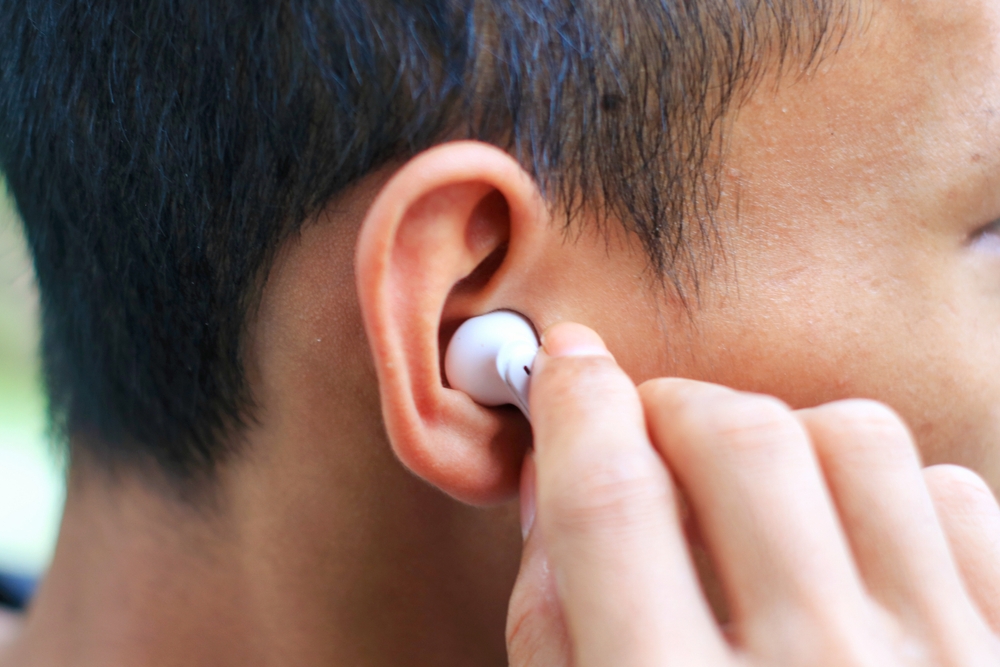
Rarely do we see a young adult in public without an earbud in their ears. Headphones are a bit more cumbersome, but teens still find them a way to escape from their surroundings. The appreciation for music is a cross-generational trait, yet younger individuals often depend on it for constant background stimulation. Given their intimate position near the eardrum, are these devices a legitimate threat to our hearing? It’s not the device itself, but how we use it.
When Healthy Listening Becomes Hazardous
Listening to music can be relaxing, soothe our souls, or wind us up. The outcome is entirely dependent on the genre and frequency of the audio. Employing in-ear monitors is an effective method for maintaining acoustic privacy in public environments. This is a widely appreciated social habit that helps maintain a respectful atmosphere in shared transport settings.
The real questions are: how loud is too loud, and how long is too long? The biological fact is that high-intensity sound waves are inherently damaging to the auditory system. Combining high-intensity sound with extended exposure times can lead to permanent sensorineural damage. Because auditory decline is often a slow, cumulative process, the damage is frequently advanced before symptoms are noticed.
Why Earbuds Pose a Unique Threat to Hearing Health
High volume stands as the most significant threat to the preservation of hearing sensitivity. Nevertheless, the timeframe of the sound exposure is just as critical a factor as the intensity itself.
- The National Institutes of Health advises that sounds under 70 decibels are generally safe for the human ear.
- There is a direct correlation between increased sound pressure and the speed of hearing degradation.
- Implement the 60/60 safety protocol by capping volume at 60% and taking a break every 60 minutes.
- You can safeguard your auditory health by reducing device intensity and monitoring your cumulative daily usage.
Warning Signs of Hearing Loss
If you notice muffled speech, struggle with background noise, experience **tinnitus**, or constantly require others to speak up, a professional evaluation is necessary.
Reach out to our care team immediately if you are concerned about your current hearing sensitivity.