
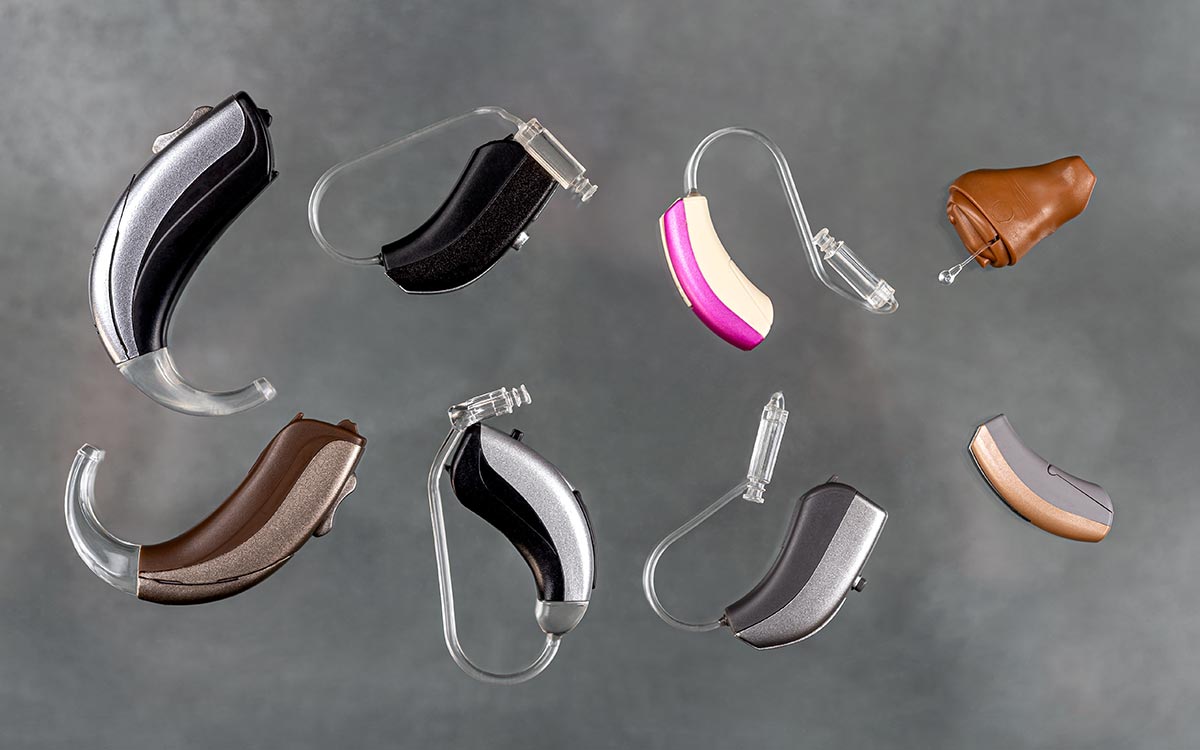
Choosing a hearing aid for hearing loss or tinnitus can feel daunting, especially when today’s devices come in so many styles, sizes, and technology levels. Rest assured that there is an assistive device customized to every lifestyle and degree of impairment. It’s all about discovering which model aligns perfectly with your specific requirements.
Feeling certain about your choice begins with knowing how different hearing aids function and compare. This guide explores the most common styles and highlights the specific advantages each one offers.
The ITC (In-the-Canal) Style Detailed
What they represent:
ITC hearing aids rest partly in the ear canal, with an inconspicuous portion visible at the outer ear.
Why people select them:
- Provides an understated look compared to traditional styles
- Individualized shaping ensures long-term wearing comfort
- A useful choice for those with moderate hearing needs
First-time wearers often gravitate toward ITC aids because they strike an ideal compromise between size and performance.
Invisible-in-Canal (IIC) Hearing Aids
Core Characteristics:
As the most discreet custom option, IIC aids represent the smallest available style. They are inserted deeply within the canal to remain hidden from view.
Why they are popular:
- The best option for patients prioritizing appearance
- Provides authentic sound because of where the device sits
- An ultra-light design renders them easy to wear all day
Because of their tiny stature, IIC devices typically work best for mild to moderate hearing loss and for those who prefer a nearly invisible option.
Understanding In-the-Ear (ITE) Units
Product Details:
These models occupy either the full or bottom half of the outer ear bowl. These are custom-fabricated for a precise fit based on your ear’s anatomy.
Why users choose them:
- The increased surface area offers space for extra functionality and extended power
- Easier to manage for those with dexterity challenges
- Effective for a wide range of hearing impairments, ranging from mild to severe
The all-in-one style of the ITE style makes it a favorite for those who dislike behind-the-ear equipment.
Behind-the-Ear (BTE) Hearing Aids
Functionality:
BTE hearing aids sit securely behind the ear. These models utilize an individualized earmold or tubing to direct sound inside.
Key Strengths:
- Offers a long-lasting and flexible solution for various environments
- Can be set to assist users with everything from mild to profound loss
- The size provides ample space for the latest connectivity features and rechargeable hardware
BTE devices are a wonderful option for individuals seeking reliability, ease of use, and strong amplification.
Receiver-in-Canal (RIC) Hearing Aids
Mechanical Setup:
RIC hearing aids appear similar to BTE models, but the speaker (receiver) sits inside the ear canal rather than inside the device behind the ear.
Why they are favored:
- Provides an exceptionally crisp and lifelike listening experience
- Offers a very low-profile appearance that is easy for almost everyone
- Flexible enough to address a broad range of hearing impairments
Thanks to their comfort and aesthetic beauty, RIC devices have become a gold standard.
Extended-Wear Hearing Aids
Usage Profile:
Extended-wear models are fixed units that a professional fits into the ear for a duration of several weeks.
User Incentives:
- Eliminates the need to place in or take out the device every day
- Sitting deep in the ear makes them completely hidden from view
- Engineering allows them to stay in the ear during all facets of daily life
These models are the ultimate choice for a low-maintenance, seamless hearing experience.
Connected Hearing Systems
Digital Attributes:
These are modern units fitted with wireless technology to sync with your personal electronics and televisions.
Digital Advantages:
- Allows for crystal-clear voice calls and media streamed directly to the device
- Allows for instant, discreet adjustments to your hearing aids through digital software
- Enhanced ease for modern lifestyles
You can find Bluetooth capabilities integrated into an array of form factors, from RIC and BTE to custom ITC designs.
Understanding Middle-Ear Implant Systems
Procedure Info:
This technology involves an operative procedure to place a device that physically stimulates the bones of the middle ear.
Who they are for:
- An accessible path for patients who are unable to wear standard acoustic devices
- Solves the issue of canal discomfort caused by regular hearing aids
Middle-ear implants are typically suggested only after a full evaluation by an ENT specialist.
Finding the Hearing Aid That Suits Your Lifestyle
Since each hearing aid design has unique strengths, the best choice is based on your specific hearing needs, your daily activities, and your aesthetic goals. A hearing care professional can guide you through your choices, answer questions, and help you experience how different devices look and feel.
Start traveling toward an environment of better sound by scheduling a consultation or hearing test with a hearing specialist. This simple action is the foundation for improved hearing and better connections with those around you.
Sources:
https://www.mayoclinic.org/diseases-conditions/hearing-loss/in-depth/hearing-aids/art-
20044116
https://www.hearinglife.com/hearing-aids/types
https://www.nidcd.nih.gov/health/hearing-aids